
We often find ourselves with small pockets of free time, and these instances are now ripe for a bit of amusement turbomines.net. Think about playing a game like Turbo Mines while your car undergoes a wash in the UK. It’s an interesting pairing: outside, your vehicle gets cleaned and sprayed, while inside, you’re interacting with a screen and making swift strategic choices. This article examines how the Turbo Mines game operates, why it’s such a good fit for a five-minute wait, and where it sits in the broader realm of killing time on the go. We’ll understand how these games hook you without demanding your full concentration, which makes them ideal for tasks that sit in the background. The carwash is a prime example—a expected few minutes where watching a film is uncomfortable, but a mental distraction does the trick.
Understanding the Turbo Mines Game Mechanisms
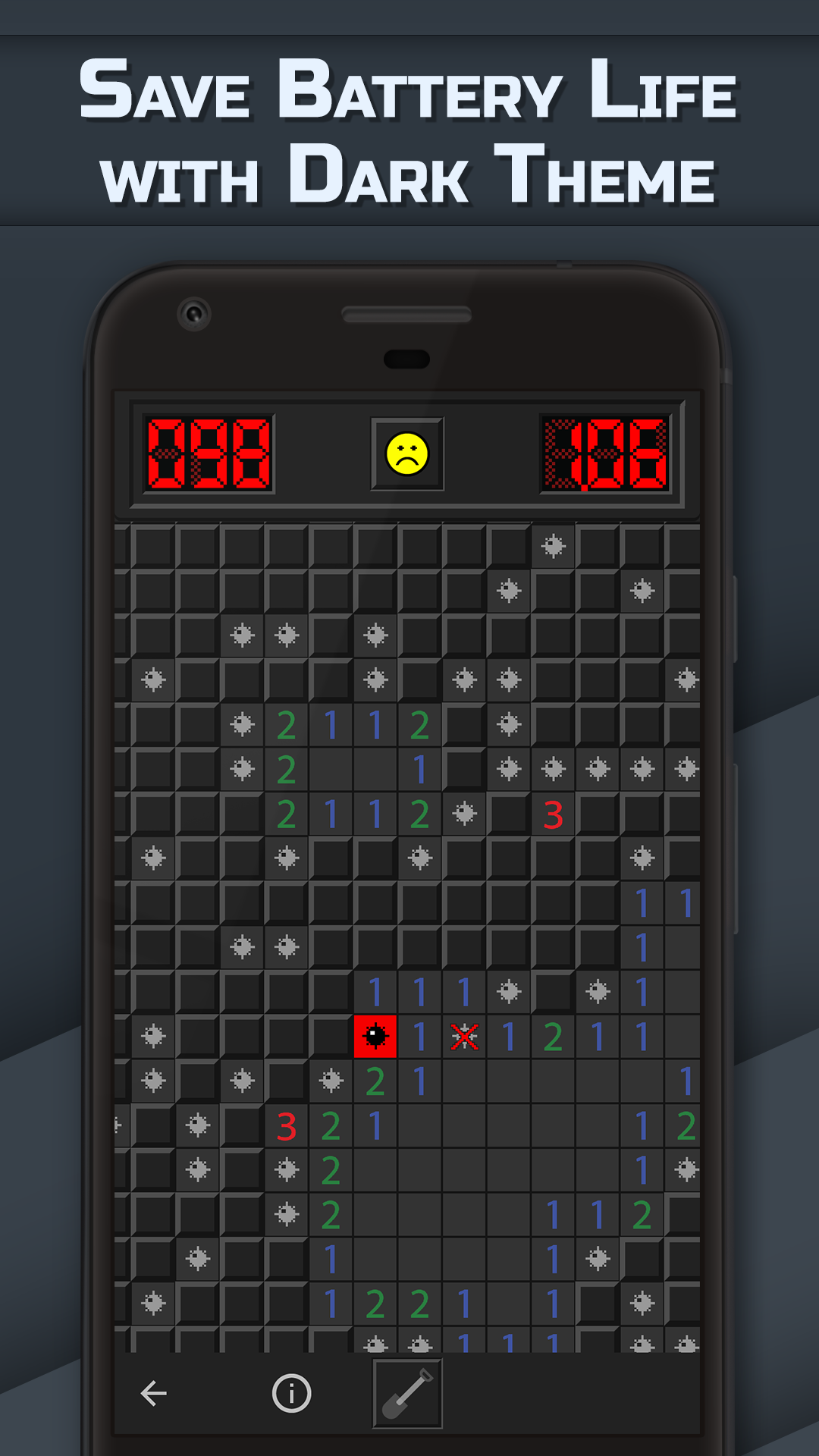
To understand why it operates as a waiting game, you must to know what Turbo Mines actually is. It’s a contemporary take on the old minesweeper notion, styled with today’s game economy features. You see a grid, hiding mines and possible rewards underneath. Your job is to tap tiles one by one, collecting virtual rewards or multipliers while staying away of the mines. Every safe click boosts your potential payout, but the risk grows each time. The key move is the “cash out” decision—you have to choose to bank your winnings before a mine inevitably concludes your round. This forms a close, engaging loop of risk against reward that unfolds in seconds. The interface is typically straightforward and simple, built for quick reading, which is important when your attention is split.
Core Gameplay Loop and Risk Management
The psychological pull of Turbo Mines arises from its direct loop. You commence with a small bet, the tension builds as you progress, and then you face a voluntary choice: take a small win or bet for a bigger one. This compact story of greed versus caution aligns neatly into a carwash timeline. You don’t need a manual; the rules seem instinctive. That simplicity is vital for casual play. You control risk not with some grand plan, but with a gut sense about the next click, a mental activity that’s captivating but never too much. The feedback is instant—you observe your multiplier grow or the mine blow up—giving you a clear end and the chance to try again within a single wash cycle.
Carwash as the Ideal Small-Scale Entertainment Spot
The current carwash, particularly the automatic tunnel systems widespread in the UK, establishes a unique spot for this kind of entertainment. You’re positioned in the driver’s seat, the car is in motion, but you have zero interaction with the operation. It’s loud and visually busy with brushes and foam, yet your own role is entirely passive. This contrast between all the activity outside and your own stillness is where mobile gaming fits in. Your phone transforms into a window to a different, regulated reality. Unlike endeavoring to watch a video or read an article, which can be interrupted by the show of the wash, a game like Turbo Mines demands just enough attention to hold your focus but enables you look up easily. It converts the car into a short-term entertainment booth, making the whole service seem faster and more agreeable.
Comparing Turbo Mines to Different Waiting-Time Pastimes
To understand the game’s allure, stack Turbo Mines with alternative activities users perform during a car wash. Most may browse social media, browse articles, or compose some messages. But, such actions represent mainly passive consumption and plain texting. Turbo Mines offers a guided experience with specific targets and finishes. It differs from an intricate mobile game that demands prolonged concentration and memorization; there is no lengthy plot or leveling system to keep up with. Relative to merely looking at the brushes, it provides you a particular mental task. Some major differences make it particularly well-suited for this unique setting:
- Instant Engagement: There are no extended loading times or setup; you are able to start a game within seconds.
- Brief Sessions: Each round is independent, ranging from several seconds to about a minute, which aligns with the divided attention you possess.
- No Audio Needed: You can use it perfectly well without audio, which is vital in a loud carwash.
- Low Cognitive Load: It needs tactical reasoning but not complex strategy, allowing for easy stops and resumptions.
- Feel-Good Factor: The rapid cycle of risk and gain delivers short bursts of thrill or suspense, actively combating tedium.
Design and Aesthetic Considerations for Portable Play
From a development viewpoint, Turbo Mines is designed for the context we’re discussing. Its team concentrated on what is important for portable, interrupted play. The user interface uses bold colors and big buttons that are easy to tap, allowing for poor lighting and the subtle shake of a moving car. Game state is commonly saved on-device, so an surprise interruption (like the wash ending) doesn’t spoil your standing in a broader sense. The game’s mechanics, which frequently uses digital coins or gems, is configured for quick sessions. Everyday bonuses or rapid recharge systems motivate you to return without demanding for extended time of play. This development philosophy acknowledges how people use phones nowadays: games are experienced in the intermediate moments of life. The carwash is a typical example of such a moment, and the game’s structure is tailored to match it.
Interface Readability and Play Length
One essential technical element is instant clarity. When a player checks at their phone between suds and rollers, they need to understand the game state at a glance. Turbo Mines achieves this with a simple design: a distinct grid, a visible multiplier display, and unmistakable “Cash Out” and “Bet” buttons. The team also effectively regulate session length. While you could play forever, the design of each round (a solitary increasing gamble) creates natural stopping points every 30 to 60 seconds. This aligns with the segmented nature of a carwash process, where your concentration flickers between the game and the process outside. The design respects the user’s circumstances, never demanding for unbroken focus for lengthy stretches.
The Psychology of Short-Duration Gaming
So why does a game like Turbo Mines fit so perfectly into a brief carwash visit? It leverages two things: our brain’s distaste for empty time and its fascination with unpredictable rewards. A carwash is a structured pause. You have nothing to do but wait, which can get boring fast. Turbo Mines occupies that mental gap with a series of micro-decisions and results. It uses a “variable ratio reinforcement schedule,” the same principle that powers slot machines and social media scrolling. Rewards come at random intervals, making the activity surprisingly engaging. On top of that, the game gives you a feeling of control during a passive experience. Physically, you’re being pulled through a tunnel, but mentally, you’re calling the shots. This duality can make the wait feel useful, or at least more fun, instead of just dead time.
The Wider Movement of Situational Gaming
Pairing Turbo Mines with a carwash wait is not an isolated case. It’s part of a wider pattern we can call “contextual gaming.” This means games that are either created for, or fit naturally into, certain real-world scenarios: the daily commute, waiting in line, awaiting a scheduled time, or sitting through a service like a carwash. These games share common features. They’re vertical-oriented for single-hand operation, have simple core loops, and provide gratification in brief intervals. They view time not as something to invest for a distant payoff, but as small pockets to fill with immediate, casual interaction. In this view, the carwash is just another “situation” primed for gamification. As modern living becomes more broken up and services more mechanized, these interstitial moments will increase. The need for specific, environment-based fun like Turbo Mines will likely expand with them.
Common Questions
What is the Turbo Mines game?
Turbo Mines represents a rapid digital game built on the classic minesweeper principle. Players select a grid to uncover hidden multipliers while steering clear of mines. The key strategic option is when to “cash out” and guarantee your winnings before you strike a mine. It’s crafted for fast, engaging sessions that last from a few seconds to a couple of minutes, which keeps it perfect for short breaks or passing time.
Is Turbo Mines appropriate for beginners?
Certainly, entirely. The game’s rules are straightforward to learn, with no intricate tutorials required. The risk-reward mechanic feels intuitive: click to win more, but stop before you hit a mine. This small barrier to entry is a major part of why it succeeds for casual gaming in settings like a carwash, where you prefer to start immediately without mastering the rules first.
Why would someone play a game during a carwash?
A carwash offers a brief, predictable timeframe where you’re just sitting idle. Trying a game like Turbo Mines fills that time with an engaging mental activity to combat boredom. It provides you a sense of control and decision-making during an otherwise automatic procedure, making the wait feel faster and more enjoyable than just watching the wash happen.
Does playing Turbo Mines require an internet connection at the carwash?
That relies on the specific platform you’re playing on. Many instant-play versions in web browsers require a stable connection to work. It’s a good idea to verify you have mobile data coverage or, if available, use the carwash facility’s Wi-Fi to sidestep any irritating interruptions mid-game.
How does Turbo Mines stack up to traditional mobile puzzle games?
Unlike puzzle games that might involve complex problem-solving or a narrative, Turbo Mines concentrates on immediate risk assessment and quick decision loops. There aren’t any levels to conquer or long-term strategies. It’s all about the tension of the very next click, which matches the split attention you have in a hectic environment.
Is there any tactics for being successful at Turbo Mines?
While it’s basically a game of chance, a common tactic is to establish a personal multiplier target for cashing out before you start a round and following it, resisting the urge for “one more click.” Managing your virtual bankroll and sidestepping chasing losses are also sensible behavioral tactics for keeping it entertaining, rather than hoping for predictable wins.
Is this type of gaming a beneficial use of waiting time?
From an amusement perspective, sure. It turns idle time into an active mental exercise. But as with any game, moderation is key. It’s a helpful diversion if it makes the wait better without causing frustration. Whether it’s suitable for you is personal, but its design for short sessions does line up well with filling small gaps in your day.